449 Auburn Avenue, NE
Atlanta, Georgia 30312

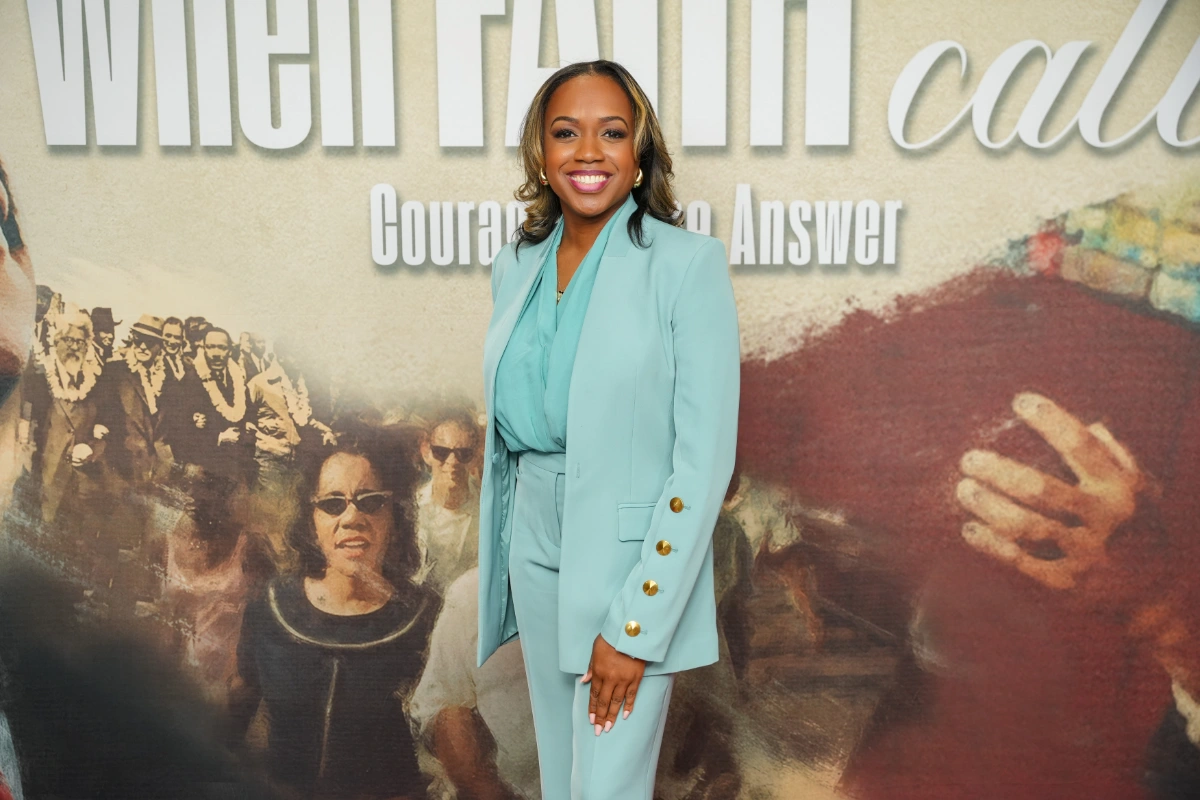
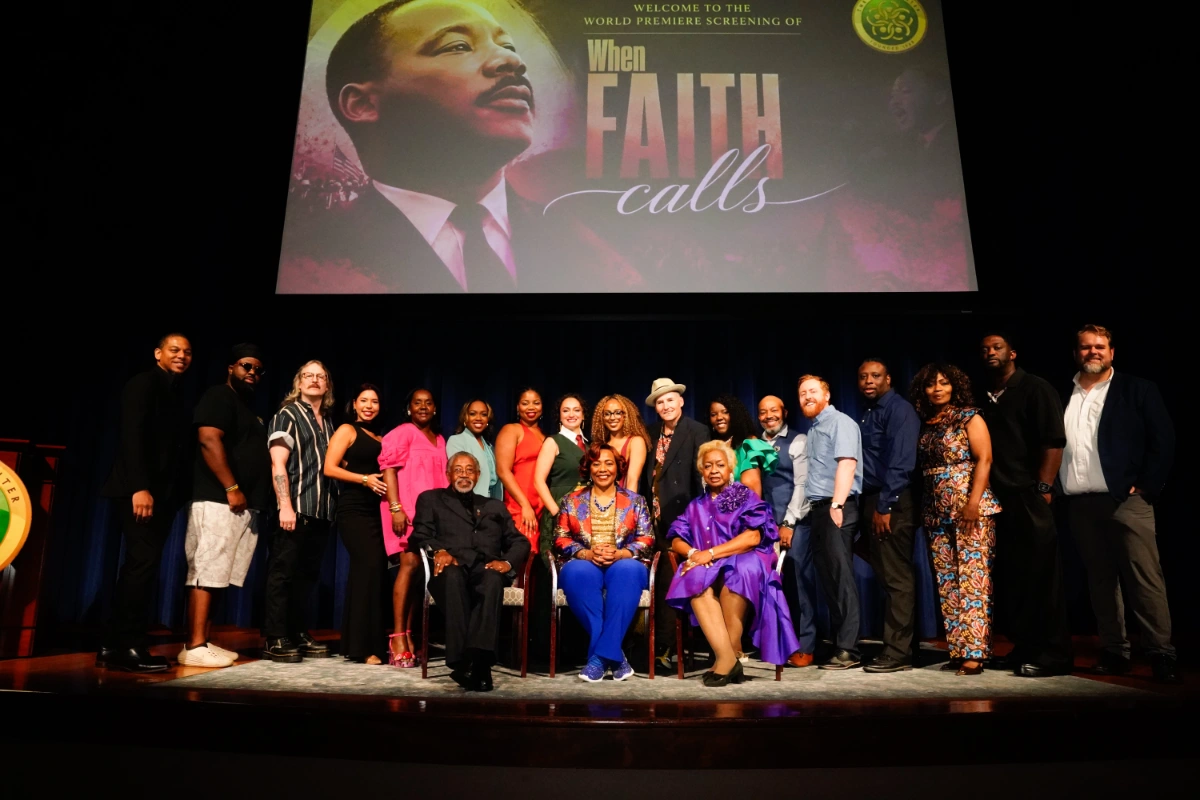
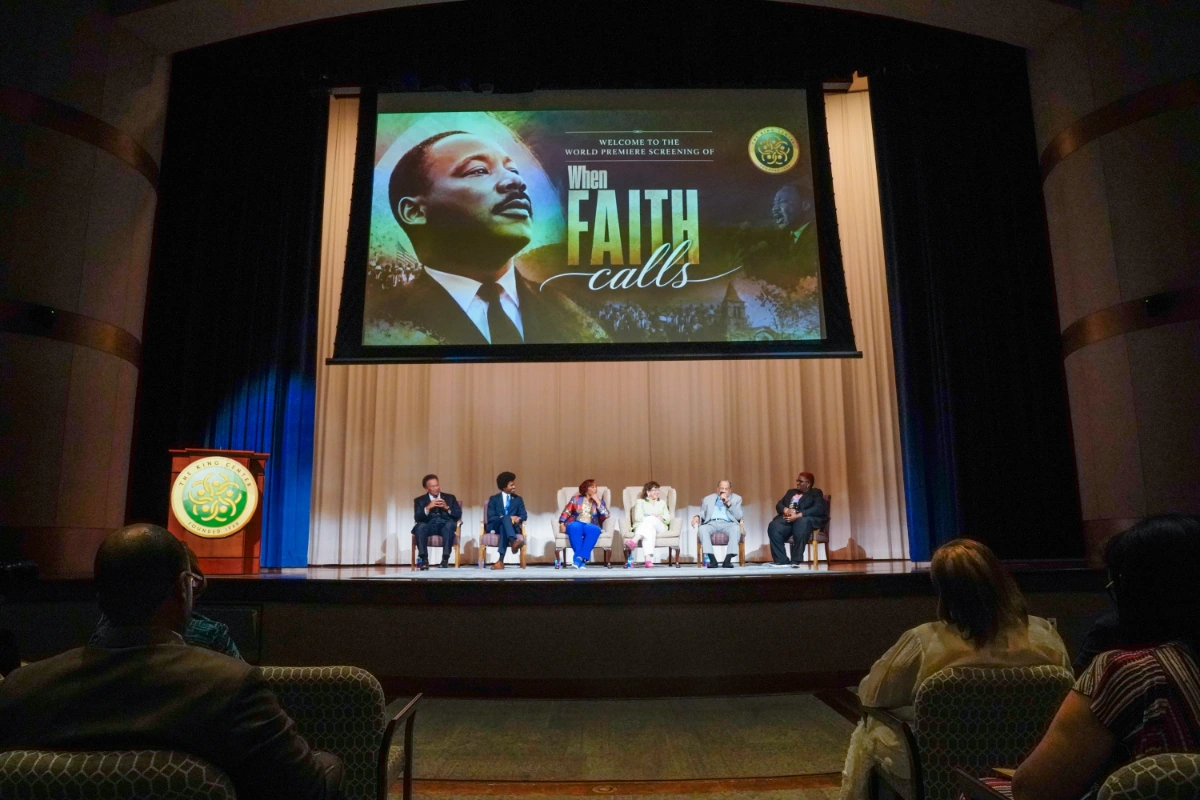
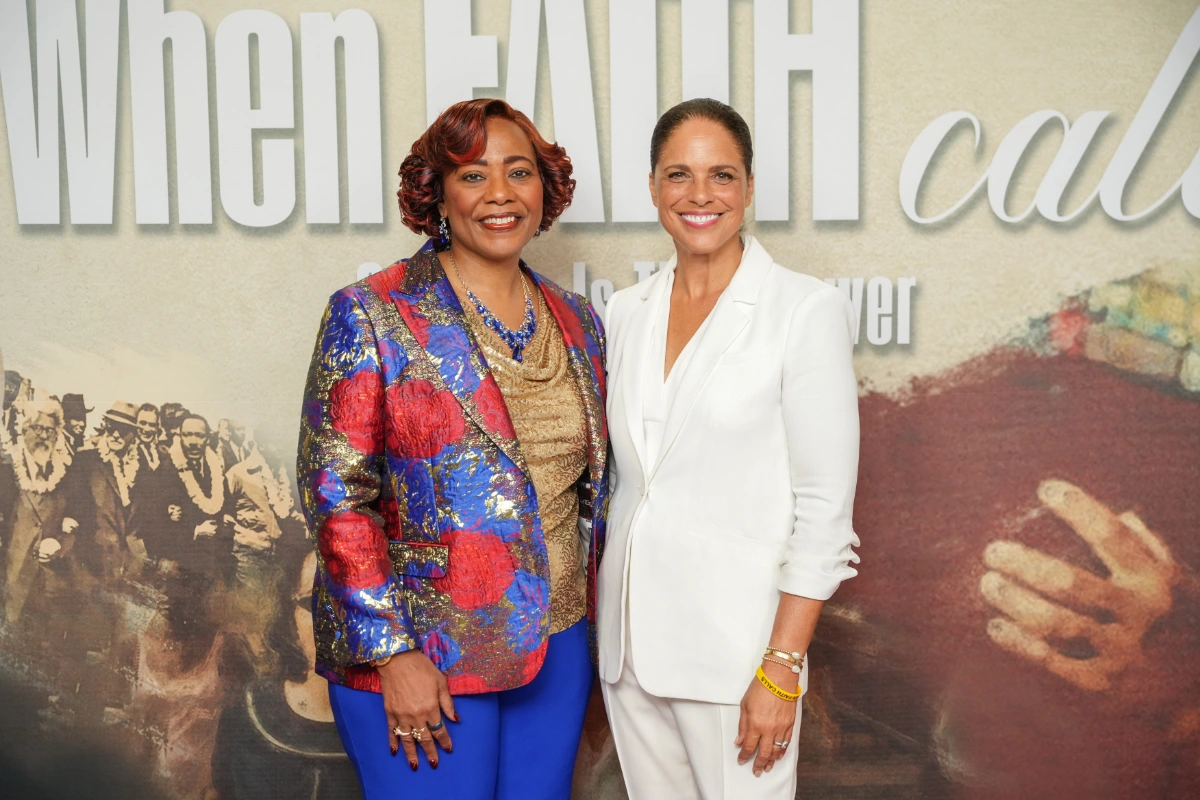
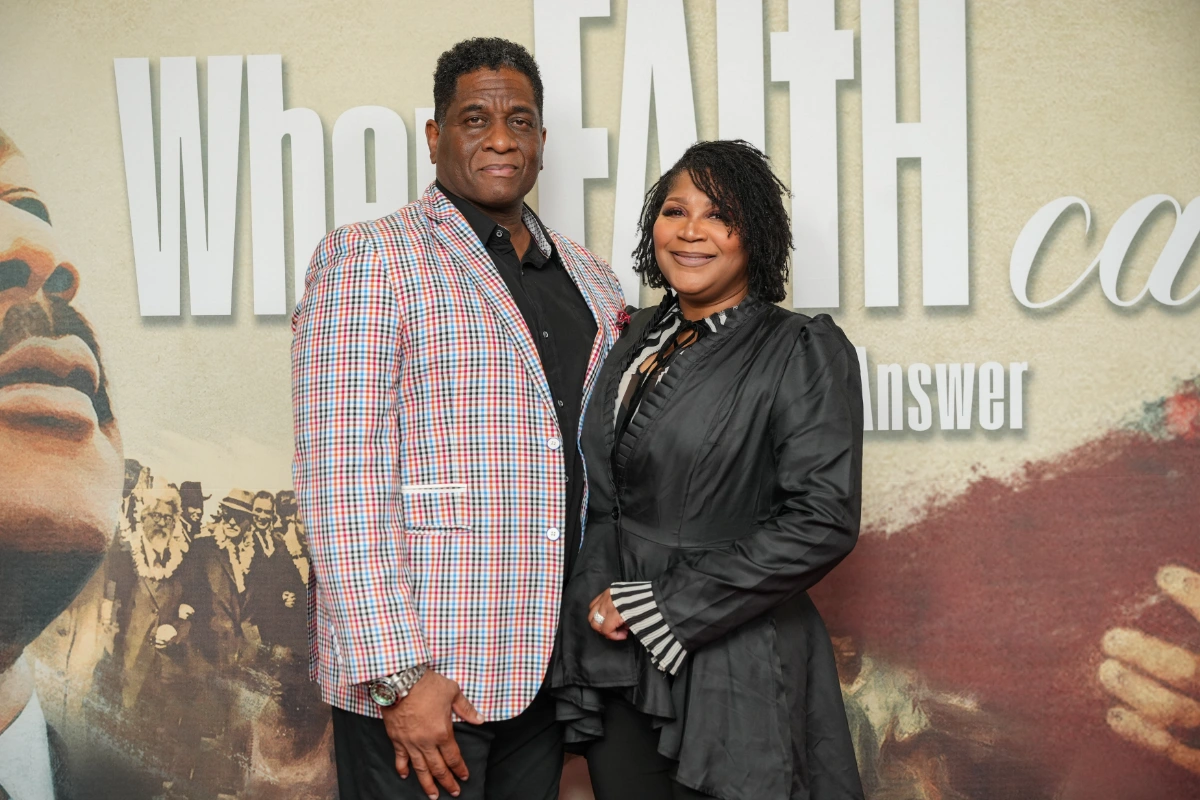
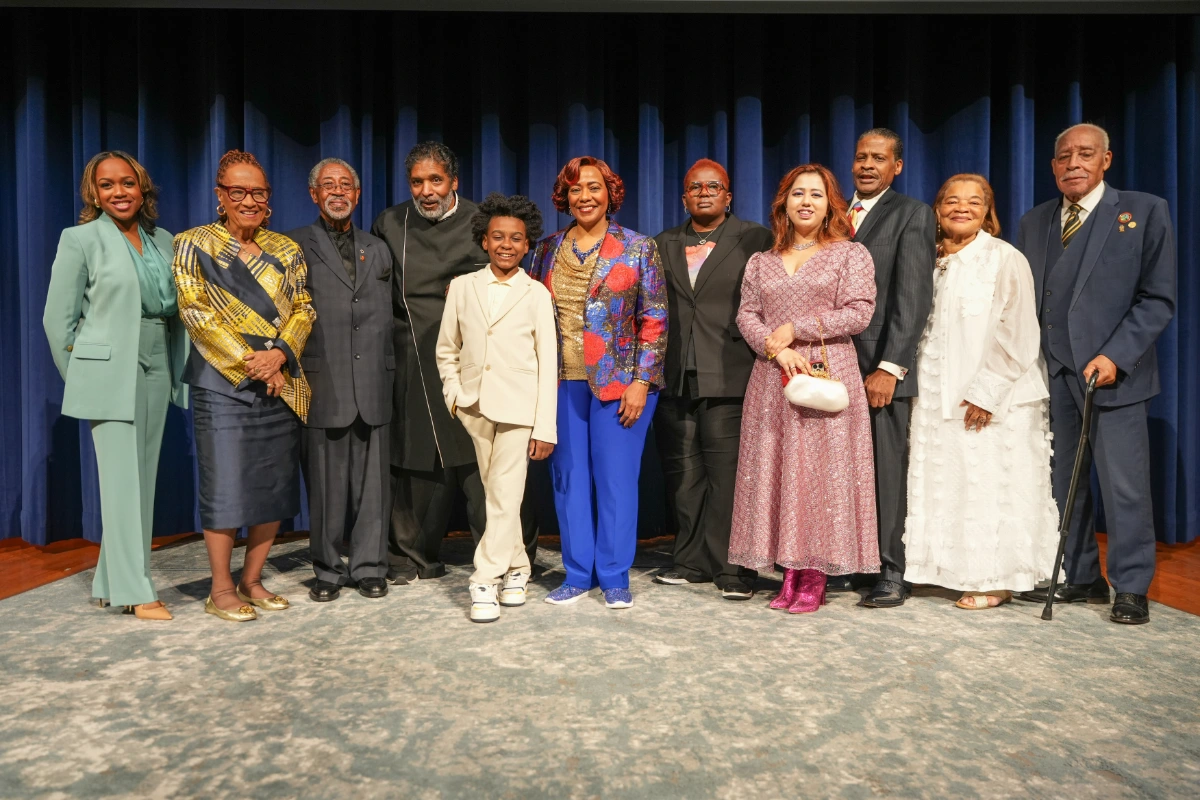
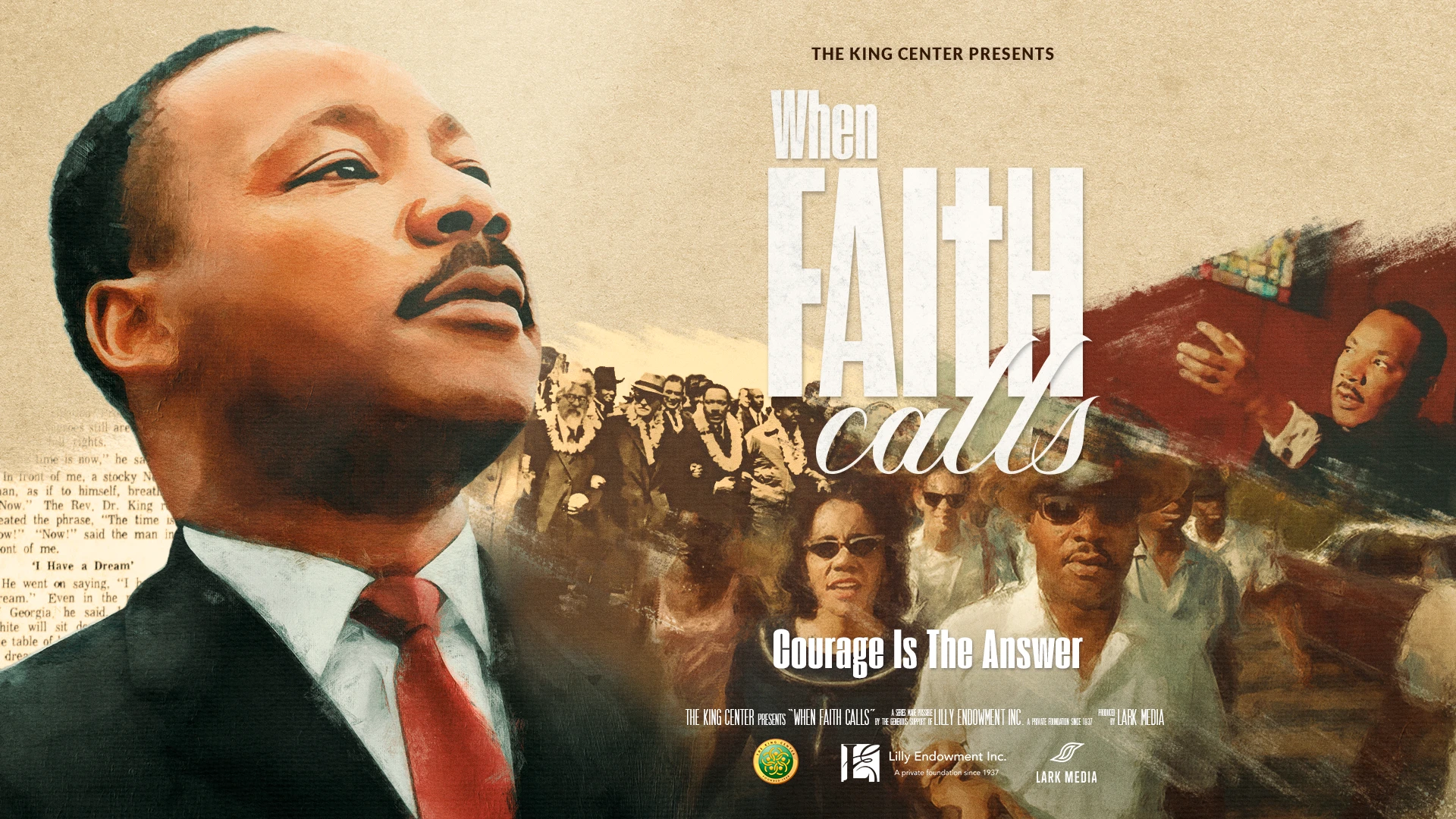
When Faith Calls is a six-part documentary series that explores how faith shaped the life, leadership, and legacy of Dr. Martin Luther King Jr.
This is not simply a history series. It is a reckoning — with what it has cost to build a more just world, with what faith demands of those who hold it, and with what remains unfinished. Featuring rare archival footage, testimony from civil rights veterans, interfaith leaders, scholars, activists, and members of the King family, When Faith Calls uncovers the spiritual foundations beneath the public figure. The series presents King not as monument but as a man — one whose deepest convictions shaped the most important movement of the twentieth century, and whose words speak with urgent relevance today.
The series traces King’s journey from his early formation in the Black church and the tradition of the social gospel to his emergence as a global moral leader whose theology demanded action in the face of injustice. Through pivotal moments — from Montgomery to Birmingham to Selma — the series reveals how faith was not separate from strategy, but the source of it.
The series takes its title from a central truth at the heart of King’s life: that he did not choose activism and then add faith to it. Faith called. Everything else followed.
Each episode is approximately 18 minutes and can be viewed as a standalone or as part of the complete series.
Episode 1
Origins, Family & the Roots of Faith
From the slave preachers of Greene County to the founding of Ebenezer Baptist Church, to a six-year-old boy who learned he was “somebody” from his grandmother’s lap — this episode traces the spiritual soil from which Martin Luther King Jr. grew. We meet the family legacy, the Auburn Avenue world of Black Atlanta, and the young King’s awakening at Morehouse College under Benjamin Mays.
Episode 2
Coretta, Montgomery & a Voice in the Kitchen
A matchmaker, a blue dress, and a lunch date that changed history. This episode follows the courtship of Martin and Coretta Scott King in Boston — an intellectual partnership as much as a marriage — and the Montgomery Bus Boycott that thrust a young pastor into the center of a revolution. Including the pivotal kitchen-table prayer that transformed King’s understanding of his prophetic role.
Episode 3
Birmingham, the SCLC & the Practice of Nonviolence
King moves from Montgomery to the national stage — founding the Southern Christian Leadership Conference and choosing Birmingham as the proving ground for nonviolent direct action. The children of Birmingham, the fire hoses, Bull Connor’s tanks, and the Letter from Birmingham Jail. This episode examines nonviolence not as passivity, but as the most demanding form of courage.
Episode 4
Washington, the Bombing & the Bible
From the March on Washington — where 250,000 gathered and King spoke from inspiration, not just notes — to the September morning a bomb tore through the 16th Street Baptist Church and killed four little girls. A survivor’s testimony anchors this episode’s examination of what it means to forgive, to read the same Bible differently, and to keep marching.
Episode 5
Selma, Vietnam & the Giant Triplets
From the brutality of Selma — where peaceful protesters faced violence on the Edmund Pettus Bridge — to the expanding struggle for justice in Chicago and beyond, this episode reveals a deeper dimension of King’s calling. Faith is not just a source of inspiration — it becomes the courage to endure suffering, make difficult decisions, and stand firm when the world turns against you.
Episode 6
Legacy, the King Center & the Urgency of Now
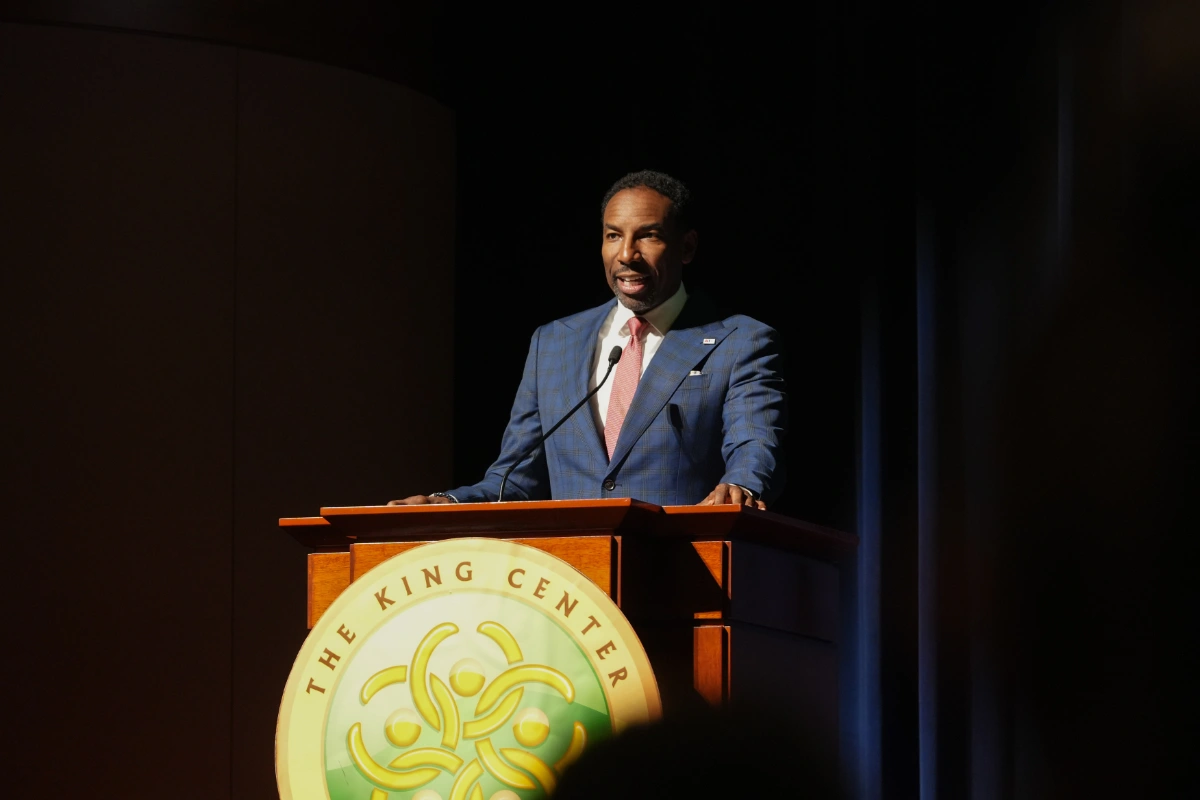
After tragedy, the question remains: what happens to a movement when its leader is gone? Through the vision of Coretta Scott King and the founding of The King Center, this episode explores how King’s philosophy of nonviolence becomes a living legacy — one carried forward by new generations. The call did not end. It was passed on.